Marketing has existed for centuries. But digital marketing? That’s a modern game.
With technology evolving faster than ever, digital marketing is no longer just an option — it’s the foundation of how modern businesses grow, sell, and stay relevant.
You might know some terms already: SEO, social media ads, email marketing…
But what exactly is digital marketing? And how do you make sense of it all without drowning in jargon?
Let’s break it down — clearly, simply, and honestly.
1. What Exactly is Digital Marketing?
You’ll find dozens of definitions online, but the most accepted one comes from the American Marketing Association (AMA):
“Digital marketing refers to any marketing method conducted through electronic devices.”
Let’s unpack that.
🔌 What Counts as “Electronic Devices”?
-
Electronic (Digital) – smartphones, websites, apps, email, social networks
-
Electromechanical – TV, radio, LED displays, VR devices
These platforms enable something called electronic media — meaning any media that needs an electronic device to consume.
So while print media (magazines, flyers) is static, digital marketing operates on dynamic, interactive, tech-based channels.
💡 Insight:
Digital ≠ Just Internet.
You can run a digital campaign without touching the web — think SMS blasts, digital billboards, or even radio spots.
“Digital marketing is about reaching people through digital means, not just digital channels.”
Example:
If I want to promote a fashion store, I won’t stop at in-store promotions. I can:
-
Run Facebook & TikTok Ads
-
Send email offers to past customers
-
Rent a digital billboard nearby
-
Use QR codes on product tags for instant checkout
That’s digital marketing in action — online and offline working together.
2. What Does Digital Marketing Include?
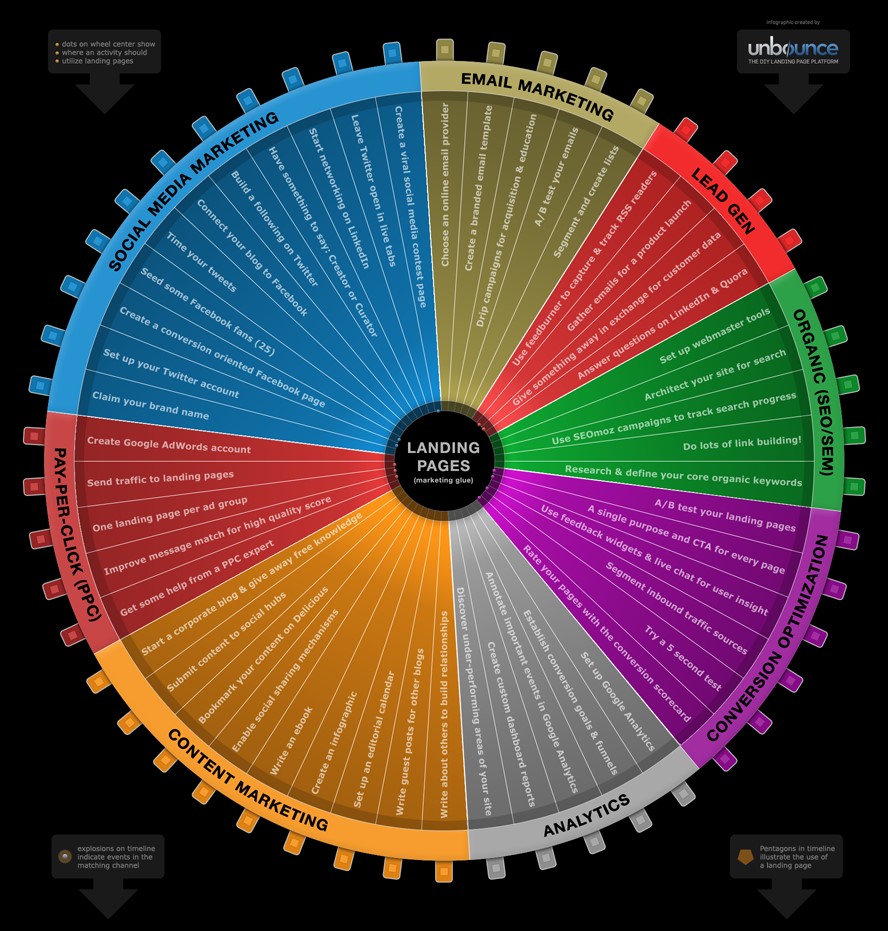
Digital marketing is a big umbrella. And under it, we have two main categories:
-
Online Digital Marketing – everything on the internet
-
Offline Digital Marketing – everything else that uses electronic tools
Let’s dive deeper into each.
2.1 Online Digital Marketing: Internet-Based Channels
These are the ones most beginners focus on — and for good reason.
2.1.1 Search Engine Optimization (SEO)
SEO is about optimizing your website so that it ranks higher on Google organically (without paying).
Key areas of SEO:
-
Technical SEO – site speed, mobile-friendliness, crawlability
-
On-page SEO – content quality, structure, keyword use
-
Off-page SEO – backlinks, domain authority, brand mentions
🎯 Goal:
Rank higher → Get more clicks → Earn trust → Convert visitors
2.1.2 Search Engine Marketing (SEM)
SEM includes both SEO and paid search ads (PPC).
But here’s a twist — some marketers use SEM and PPC interchangeably. It depends on the context.
SEM = visibility on search engines via:
-
Organic rankings (SEO)
-
Paid search (PPC)
📌 Why it matters:
People who search are already intent-driven. That makes SEM a high-converting channel.
2.1.3 Content Marketing
Content is not just king — it’s your bridge to trust.
It’s a long-term play that helps:
-
Educate potential customers
-
Build your brand authority
-
Generate organic traffic
-
Improve SEO
Common content formats:
-
Blog posts
-
Infographics
-
Ebooks
-
Podcasts
-
Case studies
-
Video explainers
“Sell by teaching. Build loyalty by giving first.”
At SWM, we use content to offer free value before asking for anything.
2.1.4 Social Media Marketing
Social platforms = your public storefronts.
Use Facebook, LinkedIn, Instagram, TikTok, YouTube and more to:
-
Engage with your audience
-
Share stories, launches, updates
-
Drive traffic
-
Build community
⚠️ Pro Tip:
Each platform is different. Don’t treat LinkedIn like TikTok.
You need to tailor:
-
Content format
-
Tone of voice
-
Posting frequency
-
Target audience behavior
2.1.5 Pay-per-click Advertising (PPC)
PPC = You only pay when someone clicks.
Popular platforms:
-
Google Ads
-
Facebook/Instagram Ads
-
YouTube Pre-Roll
-
TikTok Ads
-
Display Networks
Your ad rank is based on:
-
Your bid
-
Ad quality
-
Landing page experience
-
Context of the search
-
Ad extensions
📈 Why use PPC?
Fast results, full control, precise targeting. But it can get expensive fast if not optimized.
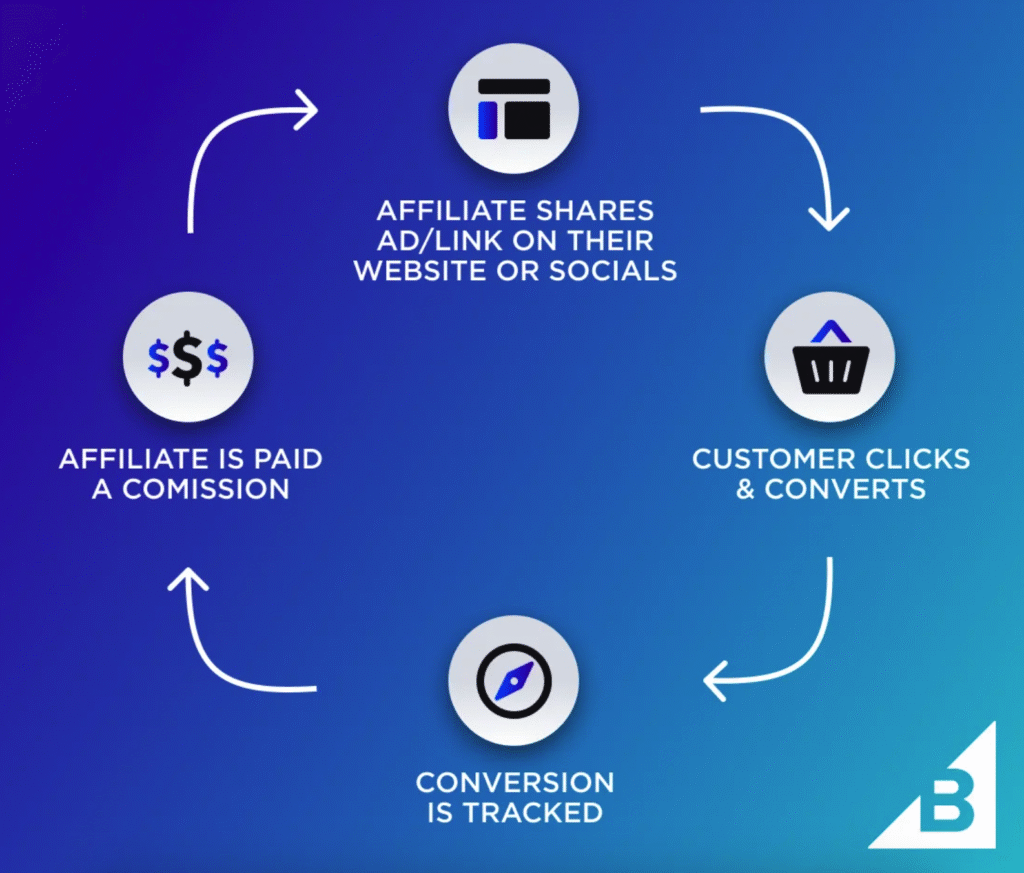
2.1.6 Affiliate Marketing
You team up with others (called publishers or affiliates), and pay only when they bring you conversions.
It runs on a CPA (Cost Per Action) model.
Common in:
-
Blog reviews
-
YouTube product demos
-
Email promotions
-
Coupon & cashback sites
Perfect if you want to grow your reach without a sales team.
2.1.7 Email Marketing
Email is personal, direct, and powerful.
It’s your way of:
-
Staying in touch with subscribers
-
Sharing useful content
-
Sending offers, launches, and updates
Build your list → Segment → Nurture → Convert
Bonus: Email isn’t tied to algorithms like social media. It’s yours.
2.1.8 Native Advertising
Native ads blend in with the platform content.
They don’t look like ads — and that’s the point.
Types of native ads:
-
In-feed sponsored posts
-
Recommended articles
-
Paid listings (like on Shopee or Amazon)
-
Custom content integrations
Done well, they add value instead of interrupting.
2.2 Offline Digital Marketing: Beyond the Internet
Even without Wi-Fi, you can still do digital marketing.
Here’s how:
2.2.1 Enhanced Offline Marketing
Examples:
-
LED boards in malls or cinemas
-
VR product demos
-
Interactive store displays
It’s all about using digital tech in physical spaces.
2.2.2 Radio Marketing
Radio is still a major channel, especially in cars and rural areas.
Forms of radio marketing:
-
Audio ads
-
Sponsored shows
-
Community broadcasts
🎧 Still effective for local targeting.
2.2.3 TV Marketing
TV is expensive — but powerful for wide coverage.
Use it if:
-
Your product is mass-market
-
You’re in rural regions
-
You can afford prime-time pricing
Formats:
-
Commercials
-
Sponsored segments or shows
2.2.4 Phone Marketing
Phones are powerful tools beyond just internet use.
Offline phone marketing includes:
-
Cold calls
-
SMS promos
-
QR codes on products or packaging
-
Loyalty program reminders
Used well, it’s personal and effective.
Used poorly, it becomes spam.
3. What Does a Digital Marketer Actually Do?
Digital marketers drive:
-
Brand visibility
-
Leads
-
Sales
But not all marketers do the same job. You might be:
-
A generalist (jack-of-all-trades)
-
A specialist (SEO, ads, social…)
Common roles:
-
Digital Marketing Executive – flexible role doing multiple tasks
-
SEO Executive – keyword research, link building, audits
-
Content Marketer – blogs, ebooks, long-form writing
-
Social Media Manager – content planning, engagement, analytics
The more you know, the more opportunities you unlock.
4. Digital Marketing Tools (You’ll Actually Use)
You can’t grow efficiently without the right tools.
Here’s a curated list:
| Purpose | Tools |
|---|---|
| SEO | Ahrefs, Semrush, Ubersuggest, KWFinder |
| Content ideas | AnswerThePublic, BuzzSumo |
| Social scheduling | Publer, Buffer, Later |
| Email marketing | Encharge, ConvertKit, ActiveCampaign |
| Analytics & heatmaps | Fathom, Hotjar, Amplitude, Mixpanel |
In 2022, over 9,900+ martech tools existed.
You don’t need them all. Pick 3–5 that match your goals, and master them.
5. Common Mistakes to Avoid
❌ Trying to Be Full-Stack Too Soon
Full-stack marketers know a bit of everything. That’s great — eventually.
But at first? It leads to shallow skills and burnout.
→ Start with one area. Go deep. Then branch out.
❌ Limiting Your Learning
The digital world changes daily. If you close your mind, you fall behind.
Stay open to:
-
New tools
-
New channels
-
New strategies
❌ Blindly Trusting Everything You Read
Even this post? Don’t take it as gospel.
Learn → Test → Adapt
That’s how you grow in this space.
Final Thoughts: How to Begin
Digital marketing uses electronic media to attract, educate, and convert.
It includes two pillars:
-
Online channels (SEO, content, email, social…)
-
Offline tech (TV, SMS, LED boards…)
Yes, there are many skills. Yes, there are thousands of tools.
But you don’t need to learn everything.
🎯 Use the T-shaped model:
-
Go deep in one area
-
Then widen your skill set gradually
👉 Don’t wait for the perfect course, tool, or plan.
Start messy. Learn as you go. Stay honest.
Your digital journey begins now.
Next step: Learn Content Marketing