
You’ve probably heard of SEO — short for Search Engine Optimization.
It’s everywhere in digital marketing.
But if you’re just starting out, SEO can feel… complicated.
Search engines evolve. Algorithms change. Trends shift.
Still, some core SEO principles remain timeless — and learning them is key to long-term growth.
Think of SEO like showing up at a huge event.
Unless you’re already famous, no one’s watching you — unless you find a smart way to stand out.
That’s what SEO helps you do:
📍Get found
📍Get noticed
📍Stay relevant
Even with nearly 2 billion websites online, most clicks go to the first 3–5 Google results.
The challenge?
Showing up where your audience is already searching.
That’s what this guide is for — let’s break it all down, clearly and calmly.
1. What is SEO?
There are dozens of definitions out there. Here are three of the most common from industry leaders:
“SEO is the process of improving the visibility of a website or a web page in a search engine’s unpaid (organic) results.”
— Wikipedia
“SEO is the practice of increasing the quantity and quality of traffic to your website through organic search engine results.”
— Moz
“SEO is the process of getting traffic from free, organic, or natural search results.”
— Search Engine Land
In short:
SEO is how you help search engines understand and trust your content — so they recommend it to users.
🧠 My definition (the SWM way):
SEO is optimizing your content so that it ranks higher in organic search results — without paying — by aligning with how search engines work and what people are truly searching for.
It’s both:
-
Technical (site structure, page speed, crawlability)
-
Psychological (intent, relevance, value)
2. Why Is SEO So Important?
If you publish content online, SEO helps you make sure someone actually finds it.
Even if your content is great, search engines are not human — they need technical clues to understand and rank your pages.
Without SEO, your website could be buried on page 10… never seen, never clicked.
✅ SEO brings free, consistent traffic
✅ SEO builds trust and credibility
✅ SEO drives leads and sales — for years
And with Google handling over 70,000 searches per second, the opportunity is massive.
But SEO is more than just traffic.
It also shapes how you:
-
Think about content
-
Serve your audience
-
Build long-term assets
That’s why I believe: SEO is not just a tactic. It’s a mindset.
3. Understanding Search Intent
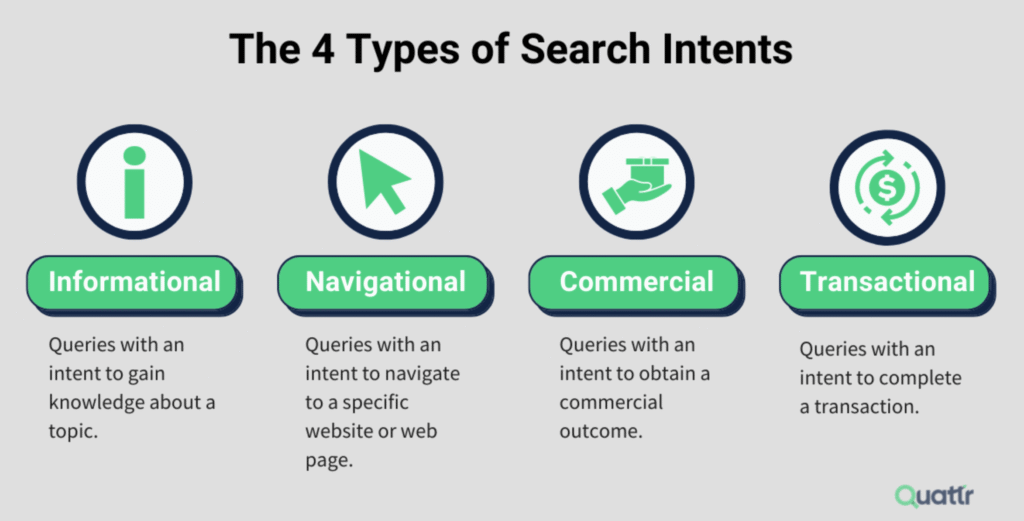
Not every search is created equal.
People search with intent — some want answers, some want options, others want to buy now.
Here are the 3 main types of search intent:
| Intent Type | Example Query | Goal |
|---|---|---|
| Informational | “What is digital marketing?” | Learn something |
| Navigational | “Facebook login” | Go to a specific site |
| Transactional | “Buy running shoes online” | Take action (buy, sign up) |
SEO is about meeting each intent with the right content — fast.
Your job?
Understand what they really want — then guide them to your content naturally.
4. Why Content + Keywords Matter
You can’t rank without content — it’s the foundation of SEO.
But not just any content.
Google doesn’t rank based on who posts the most — it ranks based on:
-
Relevance to the search
-
Depth of value
-
Trust signals (links, shares, dwell time)
That’s why keyword research is critical.
🎯 Keywords = user input
They’re how people express problems, curiosity, or purchase intent.
✅ Good SEO starts with listening — not guessing.
Use tools like:
-
Ubersuggest
-
Ahrefs
-
Semrush
-
Keyword Planner
Then create content that:
-
Matches search intent
-
Solves real problems
-
Earns trust (organically)
5. Why Trust Signals Matter (Backlinks, HTTPS, External Links)
SEO is not just about content.
It’s also about credibility.
Think of search engines like humans:
They’re more likely to recommend you if other people trust you first.
That’s where backlinks come in.
A backlink is when another site links to your page.
It’s a vote of confidence. It says: “This content is worth visiting.”
🚨 But not all links are equal:
-
A link from Forbes.com is stronger than one from a random blog
-
Organic links (given naturally) are more valuable than paid or spammy ones
-
A few high-quality links > 100 low-quality ones
🛡 Other trust boosters:
-
External links
→ Link out to reliable sources. Don’t be afraid to cite others. Google likes it. -
HTTPS encryption
→ If your site isn’t secure (https://), fix that immediately.
It’s a direct ranking factor — and it protects users.
Trust = authority = better rankings
That’s why “trust signals” are an essential SEO foundation.
6. Why User Experience (UX) is Now a Ranking Factor
Ever clicked a site and immediately hit back?
We all have. And Google notices.
That’s why UX matters in SEO more than ever.
🚀 Good UX = Better Rankings
What counts as “good” UX?
-
Fast loading time
-
Mobile-friendly design
-
Clear navigation
-
Easy-to-read layout
-
Engaging visuals
-
No annoying popups or auto-play videos
Google’s Core Web Vitals measure things like:
-
Time to load
-
Layout shift
-
Interactivity
Poor experience = high bounce = lower trust
So Google pushes you down the rankings.
Make it easy for people to stay, scroll, and explore.
7. Main Types of SEO (and What They Mean)
Let’s simplify SEO into two major types:
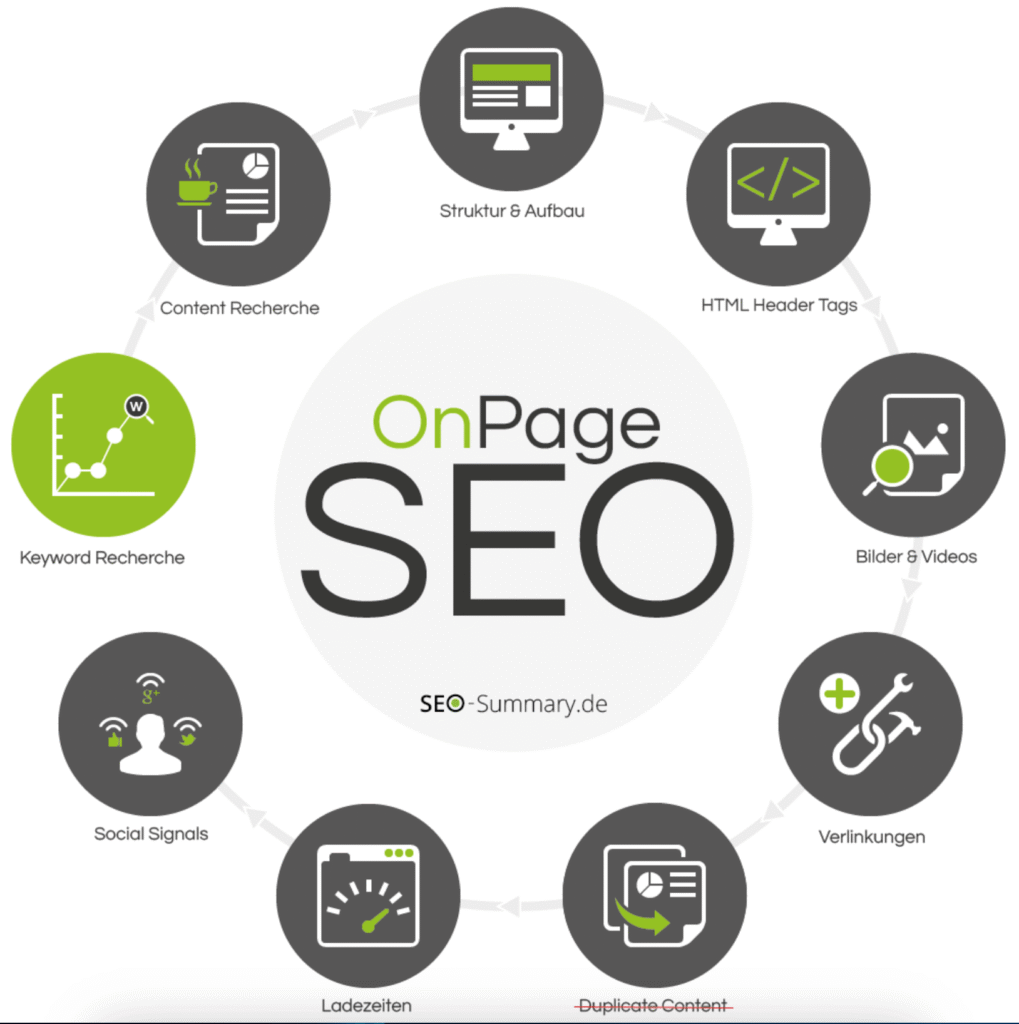
7.1 SEO On-Page
These are optimizations you control directly on your website.
Think:
-
Content quality
-
Keyword usage
-
Title tags (H1)
-
Meta descriptions
-
Headings (H2–H6)
-
URL structure
-
Internal links
-
Image optimization
-
Mobile responsiveness
-
Page speed
-
Schema markup
On-page SEO is where your content meets technical.
Both are essential.
💡 Tools:
Use Yoast SEO (for WordPress) to simplify this process — aim for those “green lights.”
7.2 SEO Off-Page
Off-page SEO is what happens outside your website — but affects your authority.
This includes:
-
Backlinks
-
Social shares
-
Brand mentions
-
Online PR
-
Guest blogging
Think of it like reputation building.
You create valuable content, then earn mentions and links by being helpful, not pushy.
🎯 Golden rule: Give value first → Earn trust → Links will follow
7.3 Bonus: Black Hat vs White Hat SEO
Not all SEO is ethical.
⚠ Black Hat SEO:
-
Keyword stuffing
-
Hidden text or links
-
Duplicate content
-
Cloaking (showing different content to bots vs users)
-
Buying backlinks
Short-term gains — long-term penalties.
Google’s spam updates can wipe your site off the map.
✅ White Hat SEO:
-
Real value
-
Proper keyword research
-
Ethical link building
-
User-first content
-
Honesty + transparency
SEO is a long game. Do it right — or don’t do it at all.
8. The Future of Search: Where SEO Is Going
Let’s talk trends. Here’s where search is heading:
🔍 Voice Search
“Hey Google, what’s the best pizza near me?”
Optimize for natural language and question-style keywords.
🖼 Visual Search
Platforms like Pinterest and Google Lens are pushing this forward.
→ Use high-quality images
→ Add descriptive alt text
🧠 Search AI & Context
Algorithms like RankBrain and BERT analyze user behavior and intent, not just keywords.
→ Write like a human
→ Answer the real question behind the search
9. Final Thoughts: Start Simple, Grow Smart
SEO is not magic.
It’s strategy + consistency + patience.
You don’t need to master it all today.
Start with:
✅ Understanding your audience
✅ Creating helpful, relevant content
✅ Learning how search engines think
Then slowly expand into:
-
Keyword research
-
Technical SEO
-
Link building
-
Analytics
🎯 Most SEO wins are earned over 3–12 months.
But the results compound for years.
Want fast traffic? Run ads.
Want long-term freedom? Learn SEO.
FAQ: Quick Answers for Beginners
Q: What is SEO?
A: SEO (Search Engine Optimization) is the process of improving a website’s visibility in organic (unpaid) search engine results.
Q: What are the types of SEO?
A: On-page (content + technical), Off-page (authority + backlinks), plus White Hat (ethical) vs Black Hat (spammy tricks).
Q: How long does SEO take to work?
A: 4–12 months is a realistic timeframe — depending on your niche, competition, and consistency.
Ready to Start?
SEO doesn’t require luck. It requires learning and doing.
Pick one thing:
-
Optimize one blog post
-
Improve your site speed
-
Get your first backlink
-
Do keyword research for your next topic
Then build from there.
📌 Save this guide. Revisit it. Apply it.
And remember:
SEO isn’t just about ranking.
It’s about becoming the best answer to someone’s question.
Next step: Email Marketing
[…] Next step: Search Engine Optimization […]