Starting your solo business can feel overwhelming: there are so many directions you could go. The first step is to define your niche. A niche is a specific corner of the market – a focused area where your interests, skills, and life story meet a clear customer need. In this post, I’ll walk you through what a niche is, why it matters for solopreneurs, and how to find your own – step by step. By the end, you’ll know exactly how to narrow your focus so you can stand out and start building a loyal audience.
What Is a Niche?
A niche is a specialized area of a broader market. In other words, it’s more specific than an entire industry and helps you differentiate from competitors. For example, “fashion” is a broad field, but a niche could be “athletic wear for new moms” or even “cold-weather gear for deer hunters”. Niching down means picking a particular group of people and a specific problem to solve.
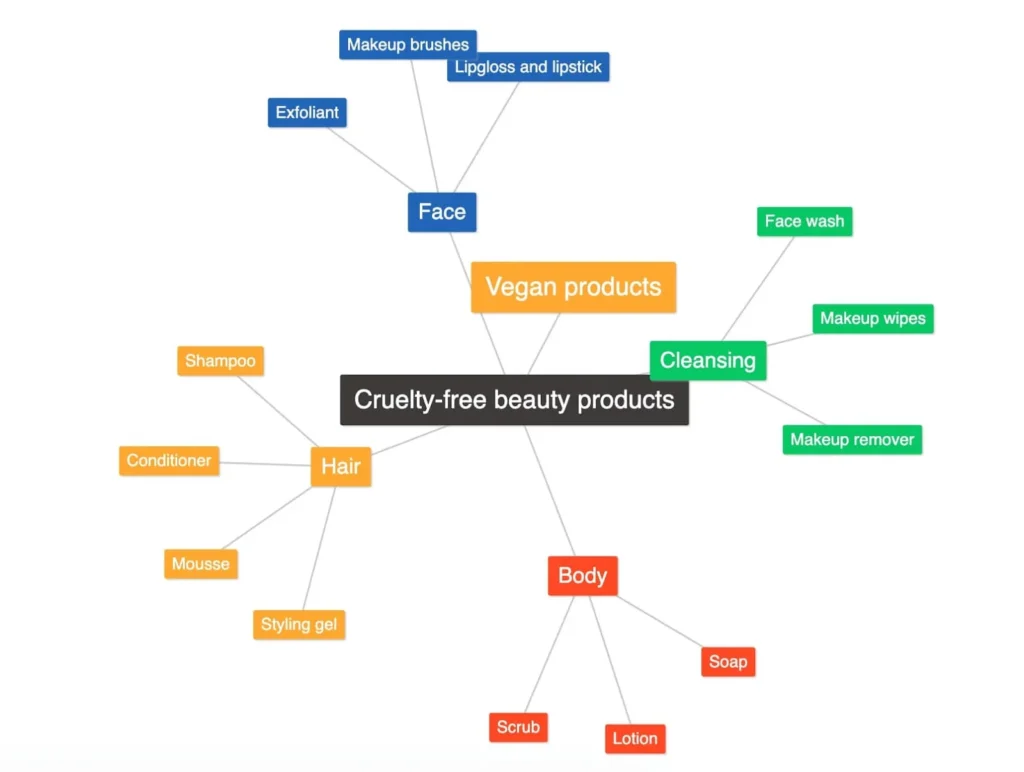
In plain terms, your niche should align with what you love and what you’re good at. Indeed notes that business owners often discover their niche by assessing their strengths and passions. If you enjoy something and have expertise in it, chances are there’s a niche waiting for you. In summary, a niche is not just your broad field; it’s the focused segment of that field where your unique skills meet real demand.
Why Finding a Niche Matters for Solopreneurs
As a solo creator or entrepreneur, you have limited time and resources. Trying to do everything for everyone will stretch you too thin. Niching down is essential because it lets you focus your energy and stand out. For example, Larry Keltto explains that unless you have unlimited funding, a well-defined niche “is a ‘must’ for a solopreneur”, since it requires fewer resources, reduces competition, and increases your odds of success. In my own experience, focusing on one area made marketing so much easier: when you know exactly who your ideal customer is, you know what they need and how to reach them.
Some key benefits of a niche:
-
Less competition. Big companies often ignore tiny segments, so you face fewer rivals. Neville Chamberlain notes niching gives you “super powers”: you get to “play where the big companies don’t”, meaning you tackle problems the giants aren’t addressing.
-
Easier marketing. With a clear niche, your message becomes crystal clear. You know your customer’s language and pain points, so you can speak directly to them. As Keltto puts it, niches make marketing “infinitely easier” because “you know who your ideal customer is” and what they want.
-
Go-to expert status. When you specialize, people start to see you as the solution for their specific problem. You become the “go-to person” in that niche, which means more referrals and loyal clients.
-
Focused growth. Narrowing your niche lets you get better faster. You can really master one area instead of spreading yourself thin. Chamberlain sums it up: “When you get your niche right, everything else falls into place.”
In short, the best niche for you isn’t a universal category—it’s the one that fits your story. It aligns with your passions and skills while solving a real need. This focused approach will give your solopreneur venture a solid foundation.
How to Find Your Niche (Step-by-Step)
Finding a niche is a process of self-discovery and research. Follow these steps to uncover the right niche for you:
Step 1: List Your Interests and Skills
Start by brainstorming what you love and what you’re good at. Indeed advises that “the first step to identifying the right niche involves determining your interests and abilities.” Write down your hobbies, passions, work skills, and anything you enjoy doing even in your free time. Maybe you love cooking, writing, teaching, or solving puzzles. Maybe you have skills in graphic design, coding, or carpentry. The overlap of those interests and skills is a goldmine for niches. For example, if you love photography and have marketing know-how, a niche like “branding photography for local businesses” could click.
Step 2: Leverage Your Experiences and Story
Think about your unique background and experiences. What have you learned in your life or career that others might not have? Perhaps you solved a problem in a past job, faced a challenge that you overcame, or have a personal journey that taught you something valuable. According to one guide, your niche “should be a reflection of your authentic self,” aligning with your expertise and life experiences. For example, if you grew up on a farm and later studied nutrition, you might find a niche teaching about sustainable farming or healthy cooking from scratch. Use your life story – education, former jobs, hobbies, even challenges – to spark niche ideas.
Step 3: Research Market Demand
Now check if people actually want what you plan to offer. Look online for communities, forums, or social media groups related to your ideas. Search Google or use tools like Google Trends to see if there’s interest in those topics. Indeed recommends evaluating search volume and competition for related keywords. In other words, see if others are talking about the niche. For example, if you think “mobile app coaching for busy parents” might be a niche, Google it: Are people asking for parenting tech solutions? Are there existing services? Sologrit echoes this: finding your niche is about “aligning your expertise with market demand”. Adjust your niche idea until you find a sweet spot where your passion meets a real customer need.
Step 4: Test and Refine Your Niche
Finally, don’t overthink it—start small and iterate. Choose the niche idea that feels strongest right now and do a quick test: maybe write a blog post, offer a pilot service, or talk to a few potential customers. Neville Chamberlain reminds us that your niche “probably won’t be perfect the first time around, and that’s fine. Start with something as close to perfect as you can, and adapt as you go.”. Learn from feedback and results. If something doesn’t work, tweak your focus or narrow it further. Over time, you’ll shape a niche that both excites you and serves people well.
Your Turn: List 3 Niches Based on Your Story
Now that you know what a niche is and how to find one, it’s time to put this into practice. Think about your own interests, skills, and experiences, and brainstorm three specific niches you could explore. Write each one as a brief statement, for example:
-
Niche 1: (Explain who you would serve and why this fits your background.)
-
Niche 2: (Repeat for a second idea based on another interest or skill.)
-
Niche 3: (One more niche idea and why it’s a good match for you.)
For example, if your story involves teaching and a passion for travel, one niche might be “language tutoring for digital nomads” – because you love languages and want to help travelers learn on the go. Now take a moment to list your own three niches (with a short note on each). Remember: there’s no “perfect” answer yet. This exercise is to spark ideas, and you’ll refine them as you move forward.
Common Mistakes When Picking a Niche (and How to Avoid Them)
Before you move on, let’s talk about what not to do when choosing your niche. These are some common traps that new solopreneurs fall into—and how you can avoid them.
1. Going Too Broad
Don’t just say “I help people with marketing.” That’s not a niche—it’s an entire field. Go deeper. Who are those people? What kind of marketing? What problem exactly? Try:
“I help indie musicians grow their audience using TikTok.”
The more specific, the more magnetic.
2. Copying Someone Else’s Niche
It’s okay to be inspired by others. But if you copy someone’s niche just because it’s trending or profitable, you’ll burn out fast. You need alignment with your own story, otherwise it’s just mimicry. Stay grounded in your own interests and strengths.
3. Not Validating Your Niche
Picking a niche without checking if anyone cares about it is risky. Validation doesn’t mean launching a big campaign. It can be as simple as:
-
Talking to a few people in that audience
-
Creating a short post or video to see who responds
-
Offering a mini version of your idea for free
Build evidence before going all in.
4. Overthinking It Forever
This is the most dangerous one. Many people get stuck trying to find “the perfect niche” and never actually start. Remember: you can always pivot. Choose the best-fit idea for now, take action, and refine later.
Summary: What You’ve Learned So Far
Let’s recap:
✅ A niche is a specific group of people you help with a specific problem, ideally one you understand deeply.
✅ Your niche should be where your interests, skills, and experiences meet real-world demand.
✅ You don’t need to get it perfect—clarity comes from action, not overthinking.
✅ Start by brainstorming 3 possible niches and test them in small ways.
FAQ: Finding Your Niche as a Beginner
Q1: Do I need to pick a niche right away?
Not necessarily. You can experiment a bit first. But the sooner you clarify your niche, the easier it gets to attract the right people.
Q2: Can I change my niche later?
Absolutely. Many successful solopreneurs started with one thing and pivoted after learning more about their audience or themselves.
Q3: What if my niche feels too small?
Small is good. Niches that are “too small” often lead to super-loyal followers. You can always expand later once you build trust.
Q4: How do I know if my niche is profitable?
Look for:
-
Existing products/services in that niche
-
People actively searching for solutions
-
Communities around that topic
These are signs that money is already flowing in that space.
Q5: Should I choose a niche based on passion or demand?
Ideally, both. Start with your passion and intersect it with something people already want or need. That’s the sweet spot.
Final Note from Me
When I first started out, I tried to do everything. It wasn’t until I got clear on who I wanted to serve that things began to click. I looked back at my story—what I had struggled with, what I had figured out, and who I genuinely wanted to help. That’s how I found my own niche.
So don’t aim for perfection here. Aim for clarity through action.
Define a niche, test your ideas, and evolve as you go. That’s the path forward.
Next step: Learn how to build your brand.