
Digital advertising refers to ads shown on digital platforms.
It enables businesses of all sizes to increase their reach, build brand awareness, attract new customers, and drive sales.
Technology has changed the world dramatically — and with it, digital advertising has evolved at an astonishing pace.
In this guide, we’ll walk through the fundamentals of digital advertising, especially tailored for beginners.
Let’s get started.
1. What Is Digital Advertising?
Digital advertising, also known as digital ads, refers to any form of advertising delivered through digital channels.
It’s a key branch of digital marketing, and it includes both internet-based and non-internet-based digital ads:
-
Internet-based advertising:
Ads on social media, search engines, websites, and mobile apps. -
Non-internet-based digital ads:
Digital billboards, TV ads, radio ads, and SMS text ads.
While the terms “digital advertising” and “online advertising” are often used interchangeably, it’s important to note:
🧠 Online advertising is just one part of the larger digital advertising umbrella.
2. Key Characteristics of Digital Advertising
Let’s break down the core traits that define digital ads:
✅ Paid Format
Like most traditional advertising, digital ads fall under paid media.
That means advertisers must pay to secure ad placement — whether it’s a Facebook feed, a Google search result, or a YouTube video.
📊 Measurable Results
One of digital advertising’s biggest strengths is trackability.
You can monitor how well your ads perform — from reach and clicks to conversions and ROI.
However, the level of detail depends on the ad channel.
-
TV ads, for instance, use TV ratings to estimate viewer count.
-
Meanwhile, Facebook Ads can give you precise data on impressions, clicks, shares, and more.
In general, online ad platforms provide advertisers with more detailed and accessible data than traditional media.
🎯 Goal-Oriented
Every digital ad campaign is aligned with a specific goal:
-
Brand awareness
-
Engagement
-
Sales or conversions
-
App downloads
-
Website traffic
And more.
You choose your objective first — and the ad is optimized to meet that goal.
👤 Personalization
Because digital ads are powered by user data, they can be highly personalized.
For example, if someone searches for running shoes, they may later see ads for that exact product or brand while browsing other sites or social media.
📌 Targeting Capabilities
Digital advertising allows for precise targeting:
-
Demographics (age, gender, location)
-
Interests and behaviors
-
Devices used
-
Time of day
-
Even retargeting — showing ads to users who interacted with your site but didn’t convert.
Ever noticed ads for products you browsed but didn’t buy?
That’s retargeting in action.
3. Types of Digital Advertising
There are many different forms of advertising in digital marketing.
Here are the most common types you should know:
3.1 Internet-Based Advertising
Internet-based advertising (also called online advertising) refers to ads delivered through the internet — shown on platforms, websites, and mobile apps.
Let’s go over a few major types:
✅ Social Media Advertising
Social media advertising involves using ad managers of major platforms (like Facebook, TikTok, LinkedIn, Zalo, etc.) to set up and run ad campaigns targeted at users.
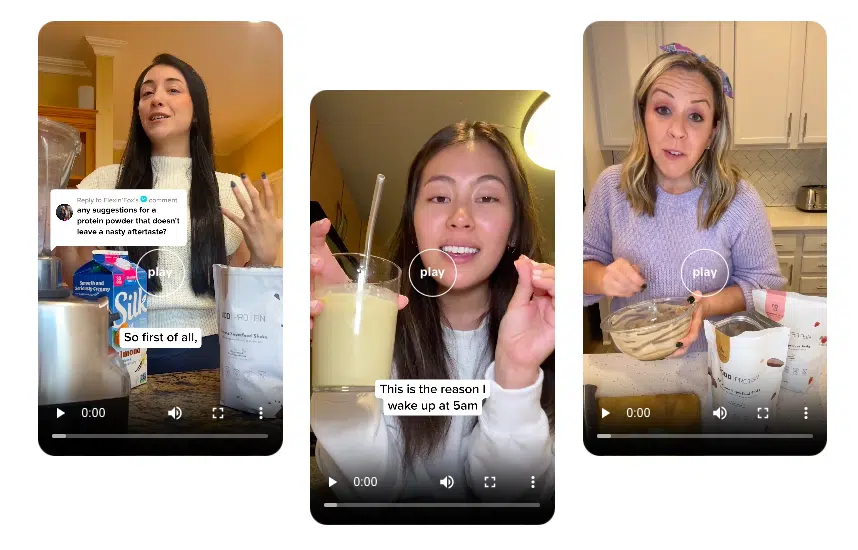
Example: Facebook Ads
Social media ads come in various formats and placements depending on the platform.
They support multiple campaign objectives like:
-
Brand awareness
-
Engagement
-
Conversions
One key strength of social media ads is high-level targeting — thanks to the rich user data these platforms collect.
You can target users based on (but not limited to):
-
Location
-
Demographics (age, gender, profession…)
-
Interests and behavior
-
Device types
👉 Related: [Beginner’s Guide to Facebook Ads]
✅ Search Advertising
Search advertising (also known as paid search, search ads, or PPC) refers to ads that appear on search engine result pages when users look up keywords or phrases related to your business.
Example: Google Search Ads
Search ads are highly effective because they appear at the exact moment someone is searching for something — showing high intent.
In Vietnam, you can run search ads via Google or Cốc Cốc, but Google remains the dominant choice due to its widespread usage.
Search ads also appear in other search-based environments, such as App Stores.
✅ Display Advertising
Display ads (also known as banner ads) are visual advertisements that appear on websites or apps.
They can include:
-
Static or animated images
-
Text overlays
-
Video or 3D content
These ads are typically shown on websites that are contextually relevant to the ad content, and are aimed at audiences aligned with your campaign goals.
Example:
Vinhomes may place display ads on CafeBiz or CafeF (finance/business sites) to reach real estate investors, or on VnExpress to target families looking to buy homes.
Pros:
-
Great for building brand awareness
-
You can reach audiences where they already spend time
Cons:
-
Low click-through rates
-
Many users develop “banner blindness” and ignore them
Display Ad Networks in Vietnam:
-
Local: Admicro, Adtima, Cốc Cốc, VnExpress, Dantri
-
Global: Google Display Network (GDN)
✅ Audio Advertising
Audio ads are played before, during, or after streaming audio content — such as songs or podcasts.
Popular platforms for audio ads include Spotify and Zing MP3.
Example: Spotify Ads
Audio ads are effective because non-premium users are required to listen to them, making the message hard to skip.
They offer a unique chance to reach listeners with high-impact, memorable messaging.
✅ Online Video Advertising
Online video ads refer to any form of digital advertising that involves videos.
There are two primary types:
▶️ In-Stream Video Ads
These are video ads that appear before, during, or after another video content.
You’ll often see them on platforms like YouTube or Facebook.
Example: YouTube Ads
These placements allow advertisers to capture attention while the user is already engaged in watching something relevant.
▶️ Out-Stream Video Ads
These are standalone video ads that appear outside of traditional video content.
You might see them:
-
At the top of a webpage
-
In the sidebar
-
Between paragraphs in an article
-
Floating in one corner of your screen
As more people spend time on video platforms, video ads have become a highly effective way to boost brand awareness and acquire new customers.
3.2 Device-Based Digital Advertising
Not all digital ads rely on the internet. Some are delivered through digital devices like TVs, radios, smartphones, and LED displays.
Let’s explore a few types:
📺 TV Advertising
TV advertising refers to commercials broadcast on television during scheduled time slots to promote products or services.
TV ads allow businesses to deliver messages to millions of viewers at once, making it one of the most powerful reach-based formats.
Targeting Options:
Depending on the channel and time slot, you can often narrow down targeting by:
-
Geographic region
-
Audience demographics
📻 Radio Advertising
Radio ads are audio commercials aired during specific programs or time slots on broadcasting channels like VOV Giao Thông.
Like TV, radio ads can be geo-targeted and demographic-specific depending on the station and timing.
They remain an effective way to reach a broad audience, build brand awareness, and drive sales — especially during commuting hours.
🏙️ Digital Out-of-Home (DOOH) Advertising
Out-of-home (OOH) advertising is one of the oldest forms of marketing.
With the rise of digital tech, we now have DOOH — Digital Out-of-Home advertising — a modern evolution of traditional billboards.
DOOH includes any digital display in public spaces, such as:
-
Highways and intersections
-
Shopping malls
-
Stadiums
-
Airports
-
Elevators
Example: LED billboards in a city square
Common screen types:
-
LED: Bright, durable, ideal for outdoor use
-
LCD: More suitable for indoor or short-distance viewing
DOOH has revolutionized public engagement with ads by being more dynamic, eye-catching, and sometimes even interactive.
4. Common Pricing Models in Digital Advertising
Pricing models define how advertisers pay for their ad placements — whether it’s on websites, apps, or devices.
The model you choose depends on:
-
Your campaign goal (awareness, clicks, conversions…)
-
The ad format (video, banner, search…)
-
The platform you’re advertising on
Let’s break down the most common ones:
💡 CPM – Cost Per Mille
-
Pay per 1,000 impressions
-
Ideal when your goal is brand visibility
👉 You pay a set amount for every 1,000 times your ad is shown — regardless of clicks or actions.
💡 CPC – Cost Per Click
-
Also known as Pay Per Click (PPC)
-
You’re only charged when someone clicks
👉 Common for traffic-driving campaigns.
💡 CPE – Cost Per Engagement
-
You pay when someone interacts with the ad: likes, comments, shares, or clicks.
👉 Found often in Facebook Ads, great for engagement-based objectives.
💡 CPV – Cost Per View
-
Specifically used for video ads
-
You pay when users watch your video (criteria vary by platform)
👉 Useful on YouTube or Facebook Video Ads
💡 CPL – Cost Per Lead
-
You pay per lead captured (e.g., email signup, form submission)
👉 Platforms like Facebook offer built-in lead forms, but even if you drive traffic to a landing page, CPL can still be calculated manually.
💡 CPA – Cost Per Action (or Acquisition)
-
You pay only when users take a specific action — such as purchasing, registering, or subscribing.
👉 Often used for conversion-focused campaigns.
💡 CPD – Cost Per Duration
-
You pay based on how long your ad is displayed
-
Common with display ads on Admicro and other media publishers
💡 CPI – Cost Per Install
-
You pay when a user installs your mobile app
👉 Popular with Facebook Ads, Google Ads, and Apple Search Ads
🎯 BONUS: Cost Per Spot (CPS)
Used in offline digital ads like TV, radio, or elevator screens.
You pay per airing (aka “spot”), and spot duration varies depending on the media owner’s rules.
5. Key Metrics in Digital Advertising
When running digital ad campaigns, tracking performance metrics is crucial. It helps you figure out what’s working — and more importantly, what needs improvement.
Because advertising is just one part of the broader marketing puzzle, we typically evaluate digital ad metrics based on the marketing funnel and customer journey.
📊 Marketing Funnel Overview
Different goals call for different metrics. Depending on your campaign objectives — awareness, engagement, or conversion — you’ll want to focus on specific indicators.
Let’s look at the most common ones:
| Metric | Brand Awareness 📢 | Engagement 🤝 | Conversion 💰 |
|---|---|---|---|
| CPM (Cost Per Mille) | ⭐️ | ⭐️ | ⭐️ |
| Frequency | ⭐️ | ⭐️ | ⭐️ |
| Reach | ⭐️ | ||
| CPE (Cost Per Engagement) | ⭐️ | ||
| % Engagement Rate | ⭐️ | ||
| CPC (Cost Per Click) | ⭐️ | ⭐️ | |
| CTR (% Click-Through Rate) | ⭐️ | ⭐️ | |
| CPA (Cost Per Action) | ⭐️ | ||
| CR (% Conversion Rate) | ⭐️ | ||
| ROAS (Return on Ad Spend) | ⭐️ |
🧠 Quick Breakdown of These Metrics
-
CPM (Cost per 1,000 impressions): Best when your goal is visibility.
-
Frequency: How often the same person sees your ad. Too high? Risk of ad fatigue.
-
Reach: The total number of unique people who saw your ad.
-
CPE: Measures cost per like, comment, or other interactions.
-
Engagement Rate: Shows how appealing your content is to your audience.
-
CPC & CTR: Great for traffic-focused goals — you want clicks at the lowest cost.
-
CPA & CR: Ideal for tracking conversions — signups, purchases, etc.
-
ROAS: The king of bottom-line metrics. For every $1 you spend, how much do you make back?
Final Thoughts
In digital marketing, advertising is one of the most powerful tools to reach your ideal audience, boost brand awareness, and drive real conversions.
This guide was built to help you understand the fundamentals of digital advertising — the types, platforms, pricing models, and performance metrics.
Now it’s your turn.
👉 Understand your audience.
👉 Set clear campaign goals.
👉 Choose the right type of ads.
And most importantly — just start.
There’s no better way to learn than running your first campaign, analyzing the results, and improving from there.
Did I miss anything?
Let me know your thoughts or questions in the comments — I’d love to hear from you.
Next step: Discover how to learn Digital Marketing the right way

[…] Next step: Explore Digital Advertising. […]